In today’s competitive market, a strong and cohesive brand identity is essential for businesses looking to stand out. For small businesses, in particular, having a memorable logo and a consistent brand image can make all the difference in attracting and retaining customers. In this case study, we'll explore how we transformed the brand identity for your business, showcasing the process, challenges, and results that demonstrate the power of effective branding.
Background: The Challenge
Your business approached us with a clear goal: to refresh an outdated brand identity and create a more modern, cohesive look that would resonate with your target audience. The existing logo was not only visually inconsistent but also failed to communicate the core values and mission of the brand. A new identity was needed to:
Enhance social presence: A strong visual identity was required to increase engagement across social media platforms.
Stand out in a crowded market: The brand needed to differentiate itself from competitors with a unique and memorable logo.
Build trust with customers: A professional and cohesive brand identity would foster credibility and customer loyalty.

Step 1: Logo Study and Brand Research
Our first step was to conduct an in-depth logo study and brand research. This involved analyzing your business's industry, competitors, and target audience. We identified key elements that could influence the design, such as:
Industry trends: What logos and branding strategies were successful in the industry?
Competitor analysis: What were the strengths and weaknesses of competitors' logos?
Target audience preferences: What visual elements would resonate most with the ideal customers?
This research provided us with valuable insights that informed our design decisions, ensuring that the new logo and brand identity would be both relevant and effective.
Step 2: Concept Development and Sketching
With a clear understanding of the brand's needs, we began the creative process by brainstorming and sketching initial concepts. The goal was to create a logo that would embody the essence of your business while being versatile enough to work across various platforms.
Simplicity and Memorability: We focused on creating a logo that was simple yet memorable, ensuring it would be easily recognizable and stand the test of time.
Relevance: The logo needed to reflect your business's industry and values. We explored different symbols, typography, and color palettes that aligned with the brand's mission.
Versatility: We designed the logo to be adaptable, whether it was displayed on a website, social media profile, or business card. This included creating both a primary logo and a logo mark for flexible use.



Step 3: Design Execution and Color Theory
After selecting the strongest concept, we moved into the design execution phase. This involved refining the logo and selecting a color palette that would evoke the right emotions and associations.
Typography: We chose a typeface that was modern, clean, and reflective of the brand’s identity. The typography was carefully selected to complement the logo symbol, creating a balanced and cohesive look.
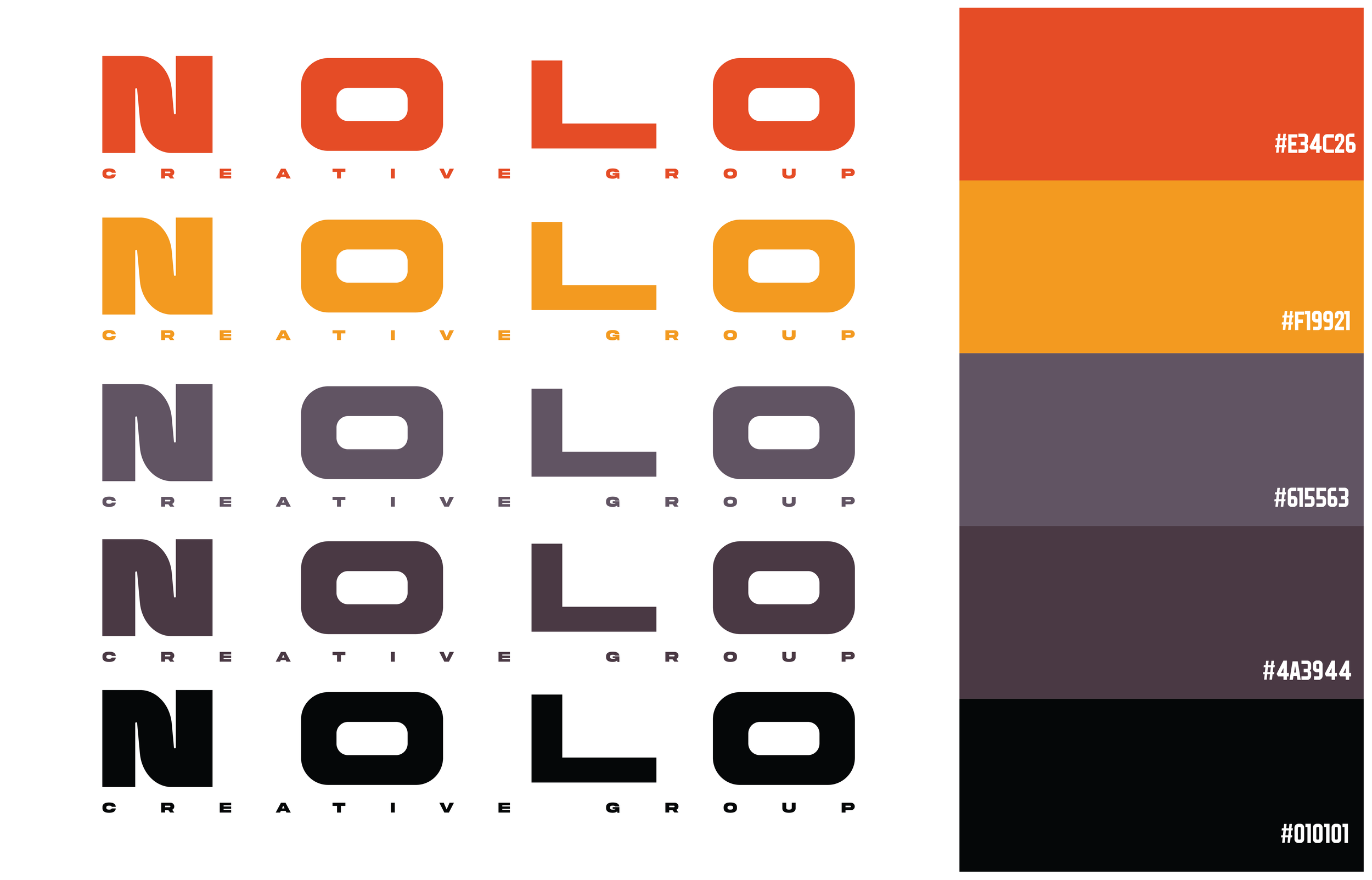
Color Theory: Understanding that color plays a crucial role in branding, we applied color theory to choose a palette that resonated with your business's target audience. We used a combination of [Primary Color], which symbolizes [Emotion/Value], and [Secondary Color], which adds [Emotion/Value].
Graphic Design Elements: We incorporated additional graphic design elements to enhance the overall brand identity, ensuring that every visual aspect was aligned with the new direction.
Step 4: Incorporating a Mascot
To add a unique and personable touch to the brand, we also designed a mascot that would serve as a brand ambassador. The mascot was carefully crafted to be:
Relatable: It needed to connect with the audience on a personal level, making the brand more approachable and memorable.
Consistent with the Brand Identity: The mascot’s design was aligned with the overall brand aesthetic, ensuring it complemented the logo and other branding elements.
Versatile: The mascot was designed to be used across various marketing materials, including social media posts, advertisements, and packaging.
Step 5: Finalizing and Implementing the Brand Identity
Once the logo, mascot, and other branding elements were finalized, we provided your business with a comprehensive brand identity package. This included:
Logo files: Multiple formats and variations for different uses (e.g., full color, black and white, logo mark).
Brand guidelines: A detailed document outlining the proper usage of the logo, color palette, typography, and other design elements to ensure consistency across all platforms.
Social media assets: Custom-designed graphics for social media profiles, headers, and posts, helping to strengthen the social presence.
Marketing materials: Business cards, letterheads, and other collateral that reflected the new brand identity.
Results: The Impact of the Rebrand
The transformation of your business's brand identity had a significant impact. Key results included:
Increased Brand Recognition: The new logo and consistent branding helped your business stand out in the market, making the brand more recognizable and memorable.
Enhanced Social Presence: With a cohesive visual identity, your business saw an increase in social media engagement, leading to higher customer interaction and loyalty.
Improved Customer Trust: The professional and modern design fostered a stronger sense of trust among customers, leading to increased sales and repeat business.
Conclusion
This case study of your business demonstrates the importance of a well-executed brand transformation. From conducting a logo study to applying color theory and creating a mascot, every step of the process was carefully crafted to align with the brand’s goals. The result was a cohesive, modern, and memorable brand identity that not only resonated with the target audience but also delivered tangible business results.
If your small business is looking to elevate its brand identity, consider working with a creative director who can guide you through the process, ensuring that every element of your logo design and branding strategy is strategically aligned with your goals.
Ready to transform your brand identity? Let’s collaborate and create a brand that captures the essence of your business and leaves a lasting impression.